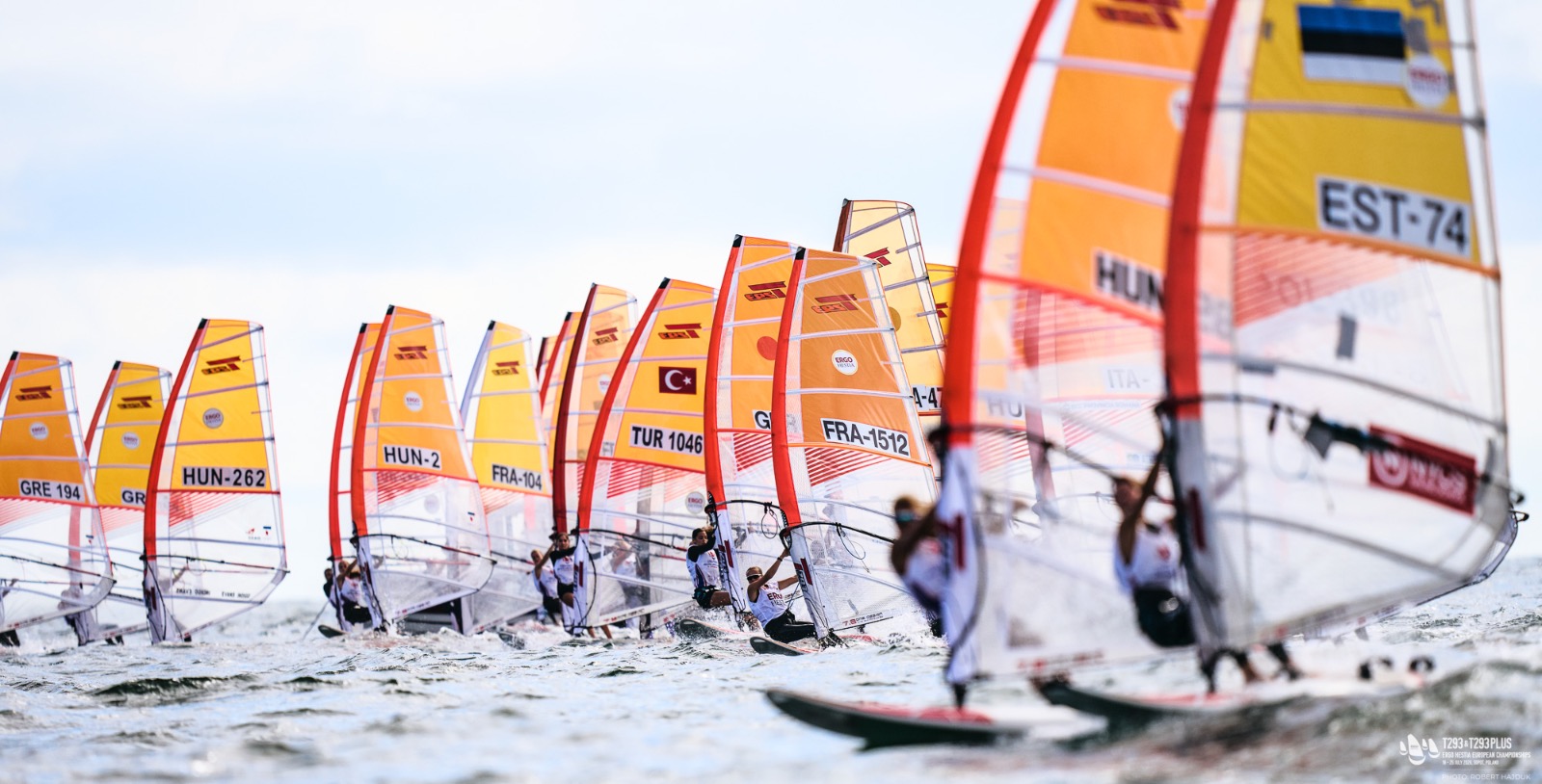
European champions, challengers and an African training programme converge at Saly Beach West, where 48 young windsurfers will race for two Youth Olympic titles.
Kyriaki Zerva has already played a part in Dakar 2026’s history. On 10 September, the Greek windsurfer carried the Youth Olympic flame during the ceremony at Athens’ Panathenaic Stadium. In November, she will exchange the torch for a sail, with a chance to give her Games another defining moment.
Her medal ambitions will meet those of a remarkably wide-ranging field. As of 22 October, the official Techno293 entry lists contain 24 female sailors from 24 nations and 24 male sailors from 24 nations: 48 competitors representing 38 nations altogether. The field reaches across Oceania and the Americas too, with Australia’s Sophie Brazier and Stirling McKay, New Zealand’s Honor Fyfe, Peru’s Paula Ledgard and Salvador Tenorio, and Argentina’s Agustín Hoffmann Breustedt among the entrants. Unlike a conventional class championship, Dakar brings together one representative per nation in each fleet.
Each National Olympic Committee may enter at most one sailor in each event, following the one-entry-per-nation principle familiar from Olympic sailing. Dakar’s places, however, were allocated through an IOC-led participation process rather than earned at dedicated qualifying regattas. The framework emphasises universality, continental and host-country representation, strong African representation and gender equality, alongside athlete performance. National Olympic Committees select their athletes within the allocated quotas and applicable eligibility requirements. A world title therefore does not automatically secure a place at these Games.
The Youth Olympic Games take place in Senegal from 31 October to 13 November, the first Olympic sporting event on African soil. The windsurfing competition has its own, later window: the current World Sailing schedule lists racing on 8-12 November at Saly Beach West.
For Techno293, this is also a return to familiar Olympic territory. The board featured at Singapore 2010 and Nanjing 2014; Buenos Aires 2018 used Techno293 Plus. Dakar’s selection of Techno293 restores the equipment used at the first two Summer Youth Olympics.
Zerva arrives with one of the clearest claims to attention in the female fleet: silver in the U17 girls at April’s World Championships in Foça, Türkiye, followed by gold at July’s Europeans in Sopot, Poland. Her club records that she began windsurfing at an Athens Nautical Club summer camp in 2020. Six years later, she has both a torchbearer’s memory and the results to make her an obvious medal contender.
Spain’s Olivia Sanchez, the world U17 bronze medallist, offers an immediate challenge. Italy’s Laura Grasso Castagnetta finished fifth in that fleet and sixth at the Europeans. France’s Lilia Six Alloncle moved from 11th at the Worlds to fifth in Sopot, while Latvia’s Marta Ieva Dale was seventh at the Worlds. Together, they give the female competition a substantial group with experience near the front of major international fleets.
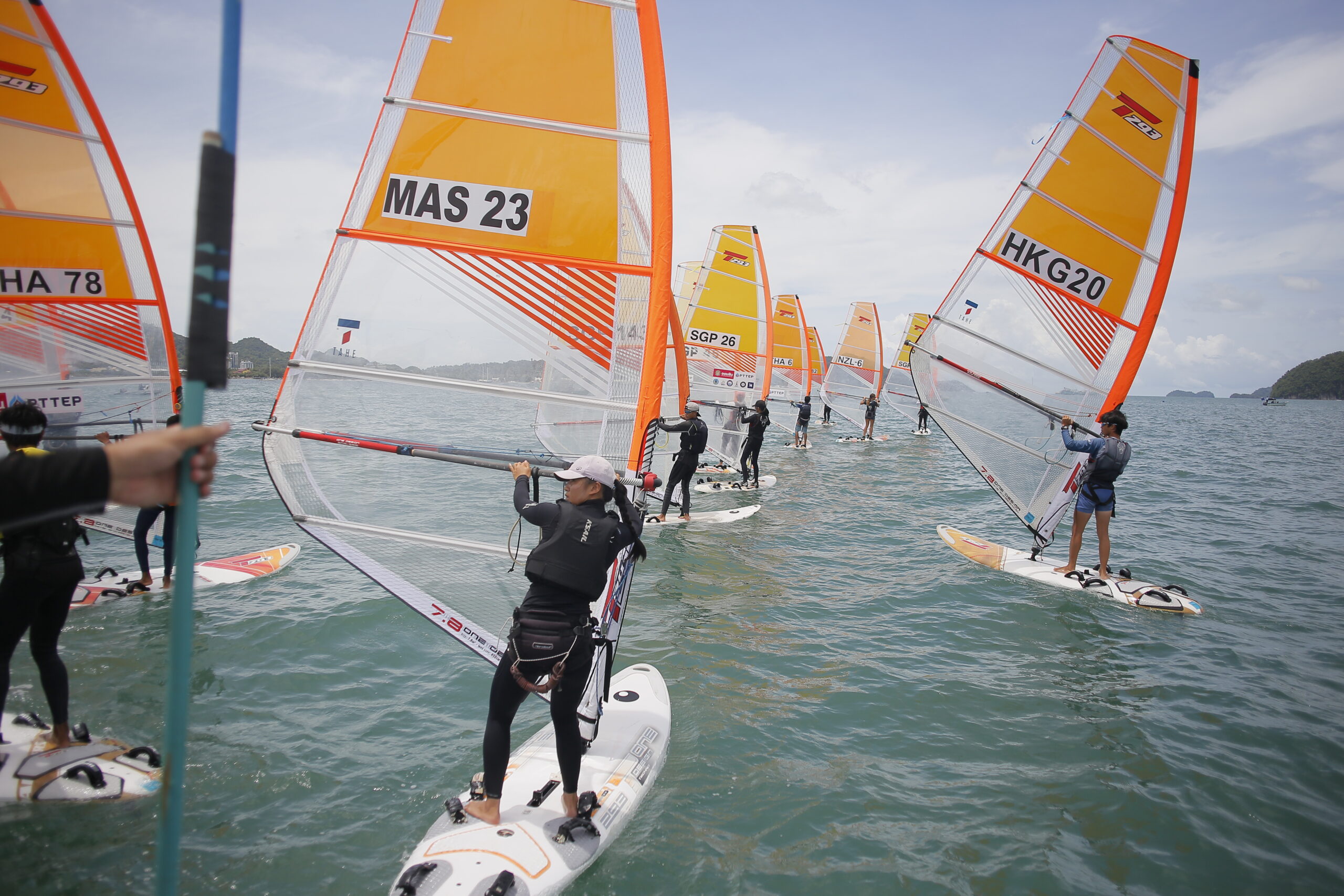
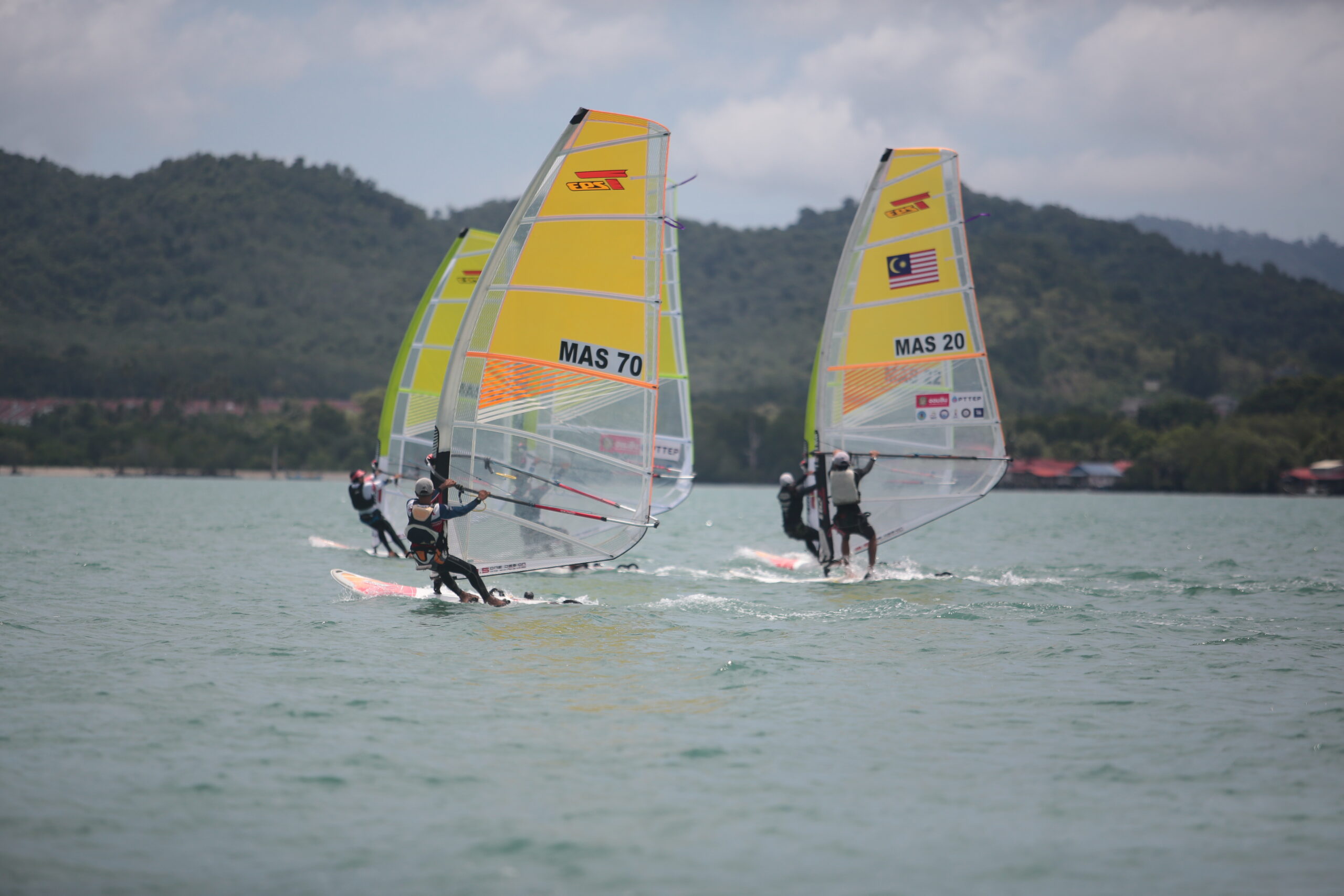
The Asian challenge deserves equal attention. Malaysia’s Angie Tan Ang Yee – listed for Dakar as Angie Yee – won the U17 girls’ Asian title in Langkawi in August, taking eight race victories across the 14-race series. India’s Priyanshi Patil finished third, Singapore’s Kate Teo fourth and Thailand’s Pornpavit Butte fifth; all are entered for Dakar. Langkawi offers a recent measure of rivals who will meet again in Senegal.
In the male fleet, Greece’s Evangelos Kyriazakos has a particularly persuasive summer result. He won the European U17 boys’ championship, beating world silver medallist Spyridon Monastiriotis and world champion Orestis Nikolaos Palamidis in the process. Neither of those two Greek rivals is on the Dakar entry list. Kyriazakos himself had placed 12th at the Worlds: his rise to the European title makes him a compelling contender, while showing how much the competitive picture can change within one season.
Hong Kong, China’s Ng Hoi Tik brings an eye-catching answer from Asia. Racing as Hoi Tik Ng in the Langkawi results, he won 12 of 14 races and retained a perfect counting score after two discards. Thailand’s Ittipol Yomjinda took second; Singapore’s Trevor Ng, another Dakar entrant, was sixth. Ng’s dominance makes him a serious sailor to watch, although an 11-board continental fleet cannot establish how he will fare against this particular international field. His 18th at the Worlds and 16th at the Europeans provide the broader context: proven race-winning ability, with consistency across a larger field still an important question.
Portugal’s André Caires, ninth at the Europeans after 14th at the Worlds, belongs in the discussion too. Hungary’s Flórián Kátai finished 15th in Sopot, ahead of Ng, while Latvia’s Viljams Preiss was 18th. They add depth to a field whose medal order remains open.
Saly’s expected heat and light winds could give the racing its own character. World Sailing’s venue assessment describes historical average winds below 10 knots and relatively flat water during the Games period. If those conditions hold, maintaining momentum, finding small changes in pressure and sustaining concentration in the heat could prove decisive. The seasonal picture offers a guide; the race-week weather will set the actual test.
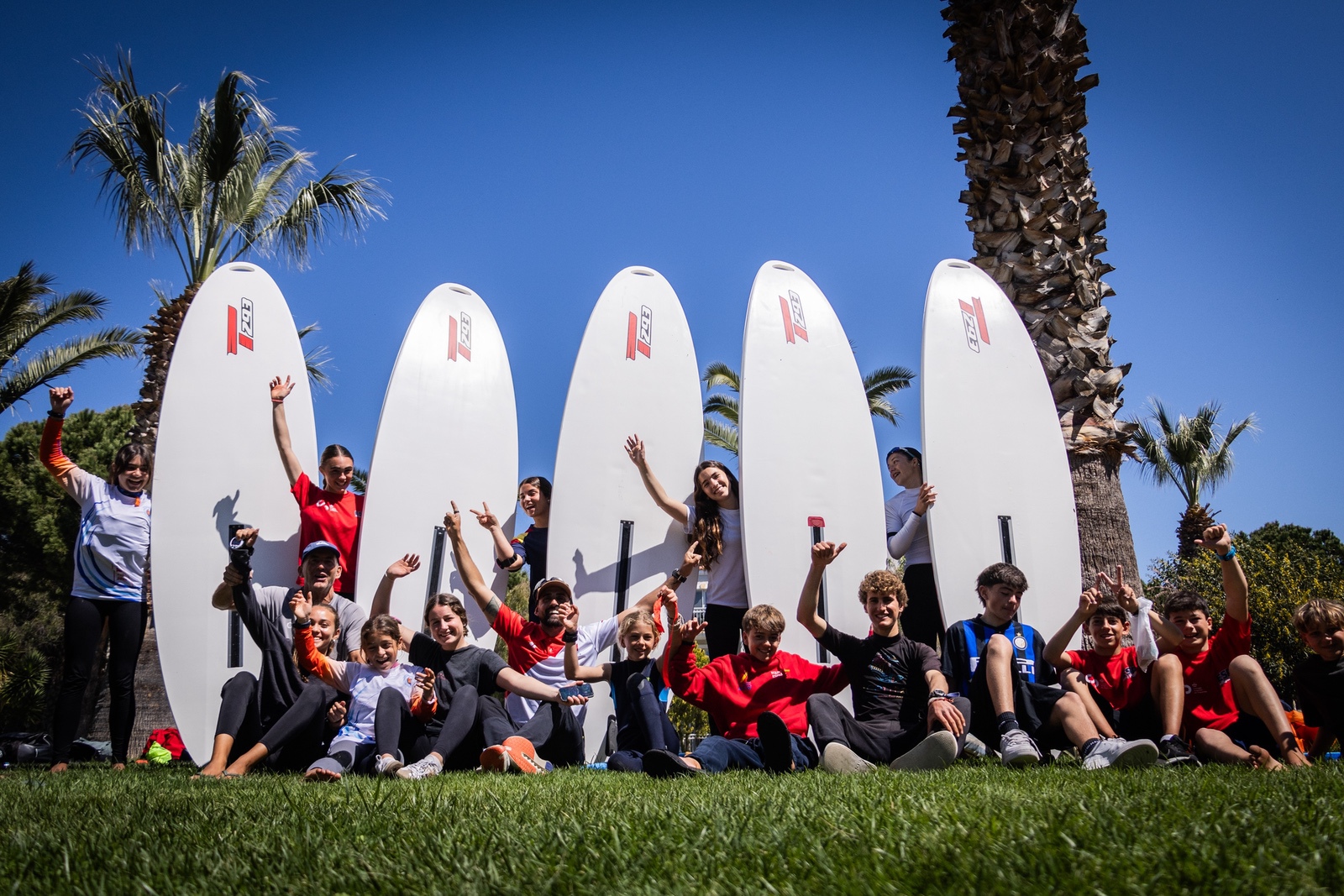
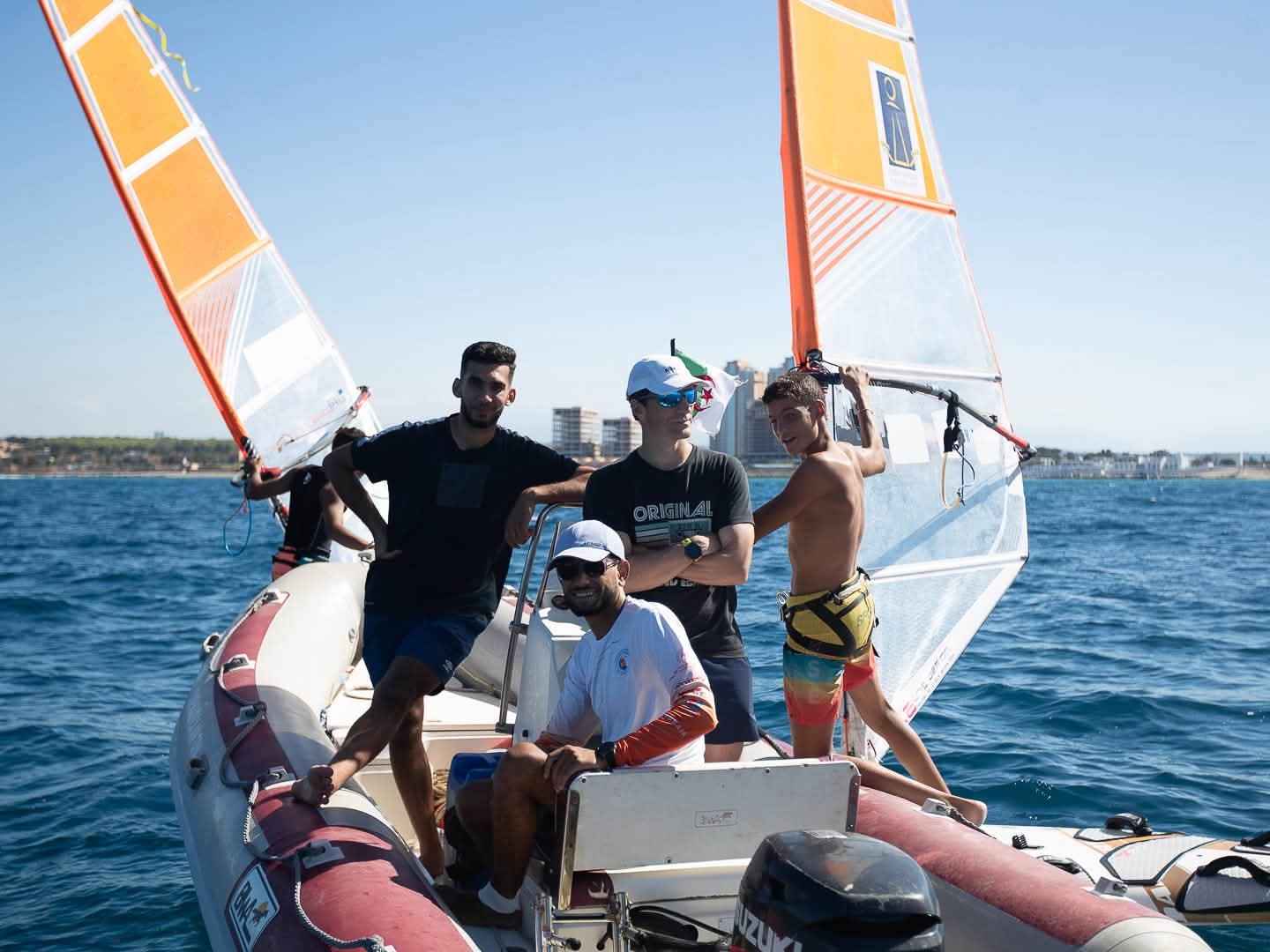
For several African teams, preparation has included a four-camp programme in Tunisia, Morocco and Algeria, with coaching from Lucie Pianazza, Patrik Pollak and Maks Wójcik. It began in Hammamet in 2025, continued with two gatherings in Tangier in November 2025 and May 2026, and concluded in Algeria on 13-20 September. The final camp brought together 14 sailors and 10 coaches from eight nations. Tahe Outdoors provided equipment for the programme, including boards that enabled sailors to continue training at home – a practical legacy beyond the Games.
The host nation’s Ousmane Thioune will carry Senegal’s hopes in the male event. Tunisia fields Rayen Briki and Frida Sethom; Algeria, Egypt and Morocco also have sailors in both fleets, while Libya is represented in the male competition. Their presence gives Africa’s first Olympic sporting event a direct connection to the development work behind it.
When racing begins, the season’s results will offer a guide, but every sailor will start a new competition. For Zerva, the journey may run from carrying the flame to chasing gold. For Thioune and the other African entrants, it is a chance to measure their progress on an Olympic stage at home on the continent. Across both fleets, Saly will bring those ambitions onto the same stretch of water – and give a new generation five days to make its mark.
Follow the competition: Dakar 2026 sailing event website | Female entry list | Male entry list